Exploring the Average Siding Replacement Cost: What You Need to Know
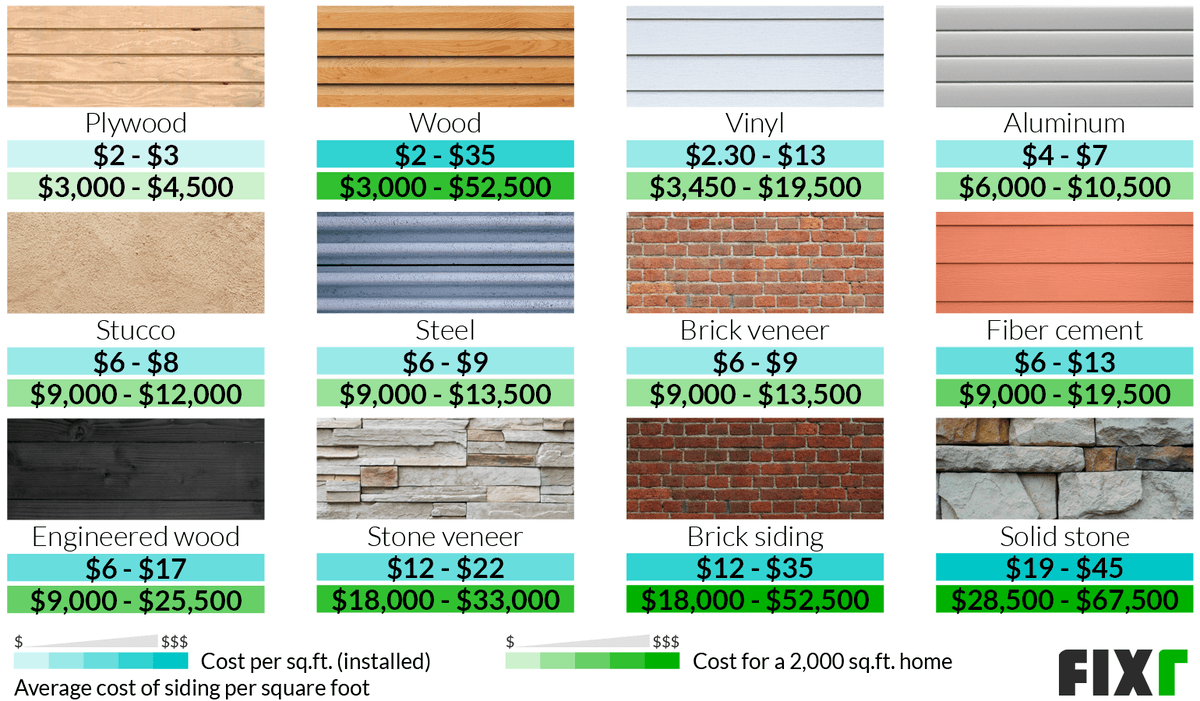
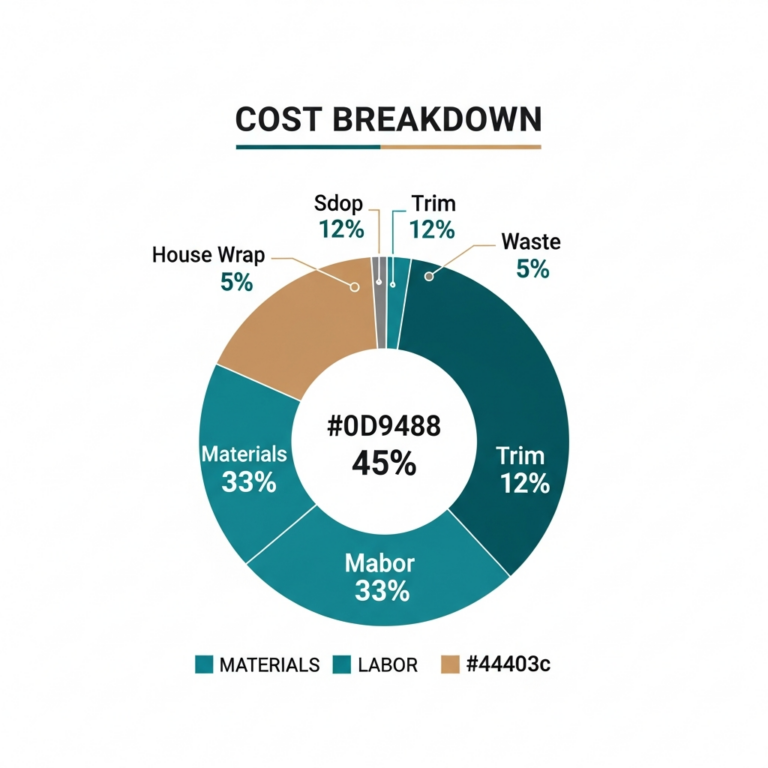
When considering siding replacement costs, several key factors come into play that can significantly impact the overall expenses. These factors include the choice of materials, labor costs, and additional factors that can influence the total cost.
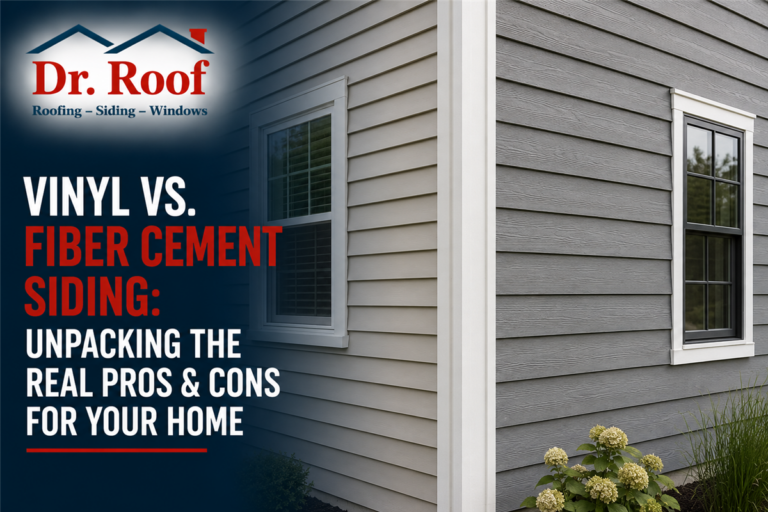
The type of siding material you choose can have a substantial impact on the overall cost of replacement. Different materials come at varying price points, with some being more expensive than others. For example, vinyl siding tends to be more budget-friendly compared to options like wood or fiber cement.
Additionally, the quality and durability of the material can also affect the cost, as higher-quality materials may come at a higher price but offer better longevity and aesthetic appeal.
Labor costs are another significant factor in determining the total cost of siding replacement. The complexity of the installation process, the size of the project, and the location of your home can all influence labor expenses. Additionally, the expertise and experience of the contractors you hire can also impact the labor costs involved.
It’s essential to consider labor expenses when budgeting for a siding replacement project, as skilled labor can come at a premium but is crucial for ensuring a quality installation that lasts for years to come.
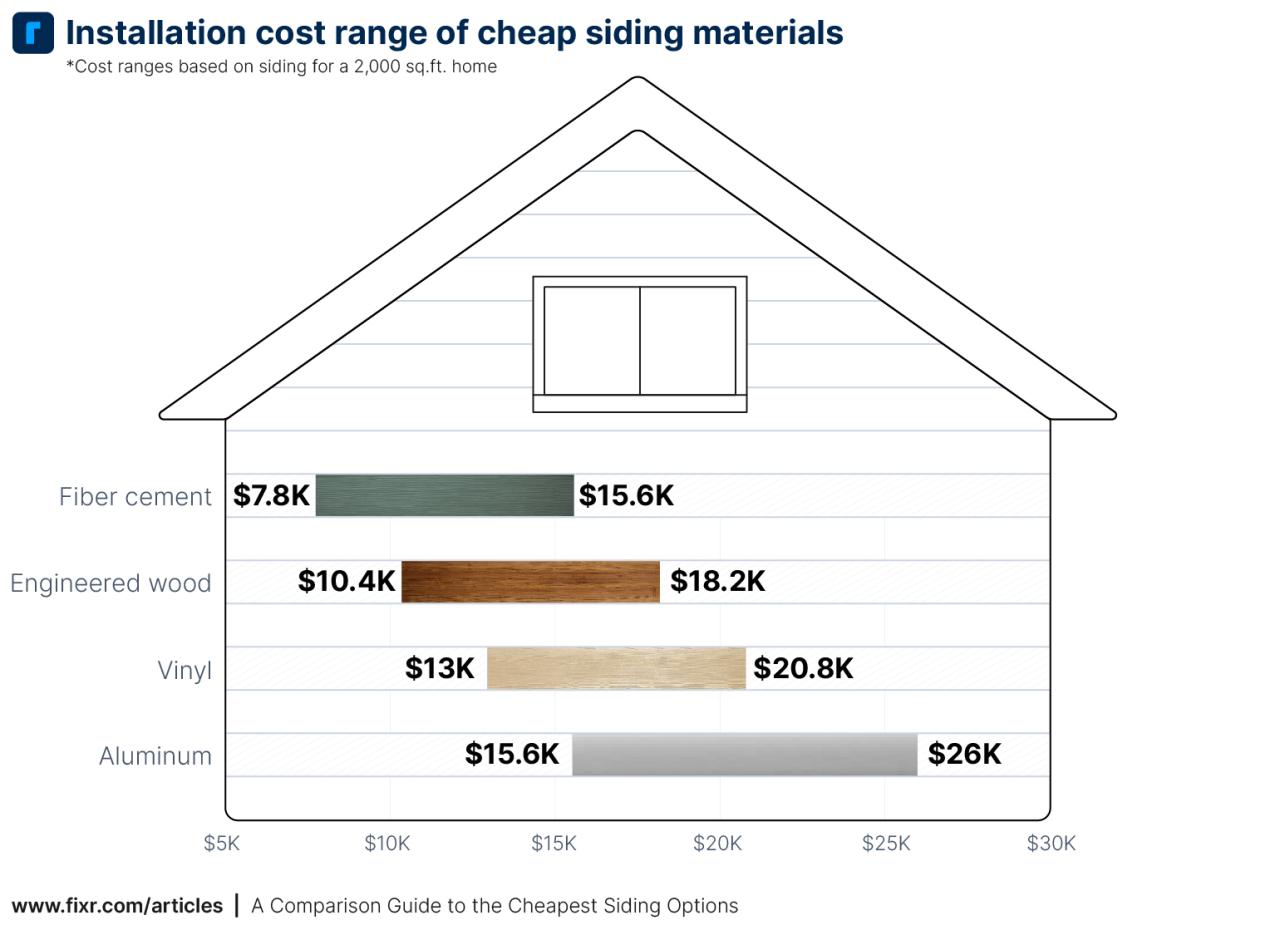
When it comes to siding replacement costs, the choice of material can significantly impact the overall expenses. Let’s explore the average costs associated with popular siding materials like vinyl, wood, fiber cement, and metal.
Vinyl siding is often the most cost-effective option, with an average cost ranging from $2 to $7 per square foot. The upfront cost of vinyl siding is relatively low compared to other materials, making it a popular choice for budget-conscious homeowners.
However, lower-quality vinyl may require more frequent replacement, leading to higher long-term expenses.
Wood siding is known for its natural beauty and timeless appeal, but it comes at a higher price. The average cost of wood siding can range from $6 to $15 per square foot, depending on the type of wood used.
While wood siding may require more maintenance to prevent rot and pests, high-quality wood can last for decades if properly cared for.
Fiber cement siding offers the look of wood without the high maintenance requirements. The average cost of fiber cement siding ranges from $5 to $12 per square foot. While the initial investment may be higher than vinyl, fiber cement is more durable and resistant to elements, reducing long-term maintenance costs.
Metal siding is a durable and low-maintenance option with an average cost of $5 to $15 per square foot. While the upfront cost of metal siding may be higher than vinyl, its longevity and minimal maintenance requirements make it a cost-effective choice in the long run.
Additionally, metal siding is highly resistant to pests and rot, further reducing maintenance expenses.
When budgeting for a siding replacement project, it’s crucial to factor in additional expenses beyond just the cost of materials and labor. These extra costs can significantly impact the overall expenditure and should not be overlooked.Permits, disposal fees, and equipment rental are some of the common additional expenses associated with siding replacement.
Obtaining the necessary permits from local authorities ensures that the work is done in compliance with building codes and regulations. Disposal fees may apply if the old siding needs to be removed and disposed of properly. Equipment rental, such as scaffolding or power tools, may also be required for the installation process.
The size and layout of a home play a significant role in determining the total cost of siding replacement. Larger homes with more exterior surface area will require more materials and labor, leading to higher expenses. Additionally, complex layouts or architectural features like gables, dormers, or intricate designs can increase the complexity of the installation process, affecting the overall cost.
The geographical location of a property can also impact siding replacement expenses. Factors such as local labor costs, availability of materials, and climate conditions can all influence the overall cost of the project. Areas with higher labor rates or limited access to certain siding materials may result in higher replacement costs.
Additionally, regions prone to extreme weather conditions may require more durable siding options, which can also affect the total expenditure.
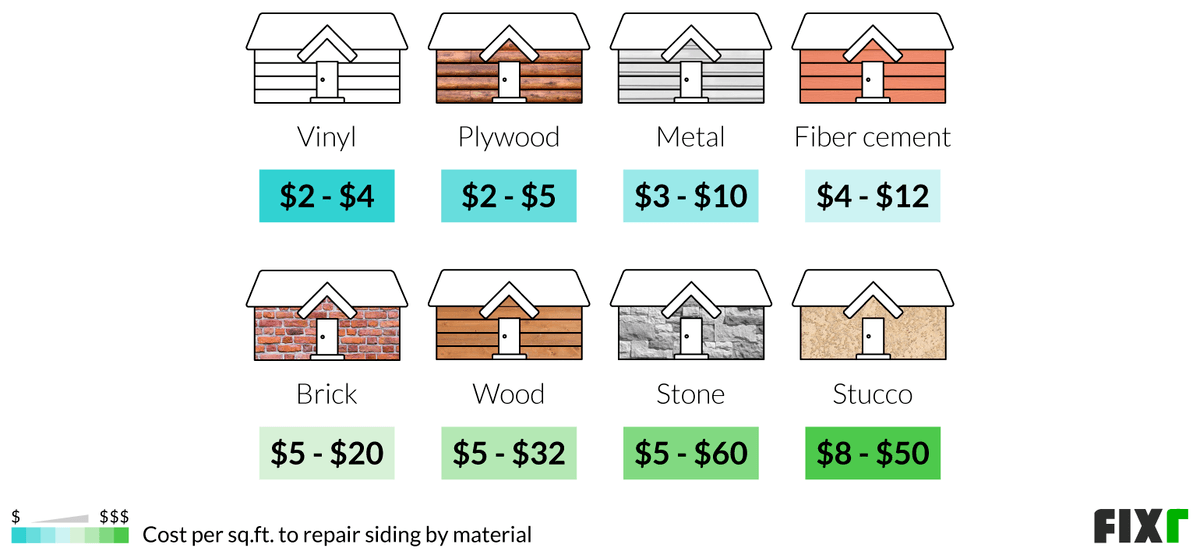
When it comes to saving on siding replacement costs, there are several strategies homeowners can consider to reduce expenses without compromising on quality. From design choices to negotiating with contractors and exploring financing options, here are some tips to help you manage the costs of siding replacement effectively.
One effective way to save on siding replacement is by choosing cost-effective materials that mimic the look of more expensive options. For example, opting for vinyl siding instead of wood can significantly reduce costs while still achieving a similar aesthetic appeal.
Additionally, selecting standard sizes and minimizing intricate designs can also help lower expenses.
When hiring contractors for your siding replacement project, don’t hesitate to negotiate prices. Obtain multiple quotes from different contractors and compare them to ensure you are getting a fair price. You can also ask if there are any discounts available for scheduling the project during the off-season or bundling services with other home improvement projects.
If the cost of siding replacement is still a concern, consider exploring financing options to help manage expenses. Home equity loans, personal loans, or financing plans offered by siding manufacturers or contractors can provide you with the flexibility to pay for the project over time.
Be sure to compare interest rates and terms to find the most cost-effective financing solution for your needs.
What factors influence siding replacement costs?
Factors include material choices, labor expenses, additional costs like permits and disposal fees, as well as geographical location.
How do maintenance requirements impact long-term expenses?
Materials with higher maintenance needs may incur more costs over time, affecting the total expense of siding replacement.
What are some strategies to save on siding replacement costs?
Design strategies, negotiation tips with contractors, and exploring financing options are effective ways to reduce expenses without compromising quality.